
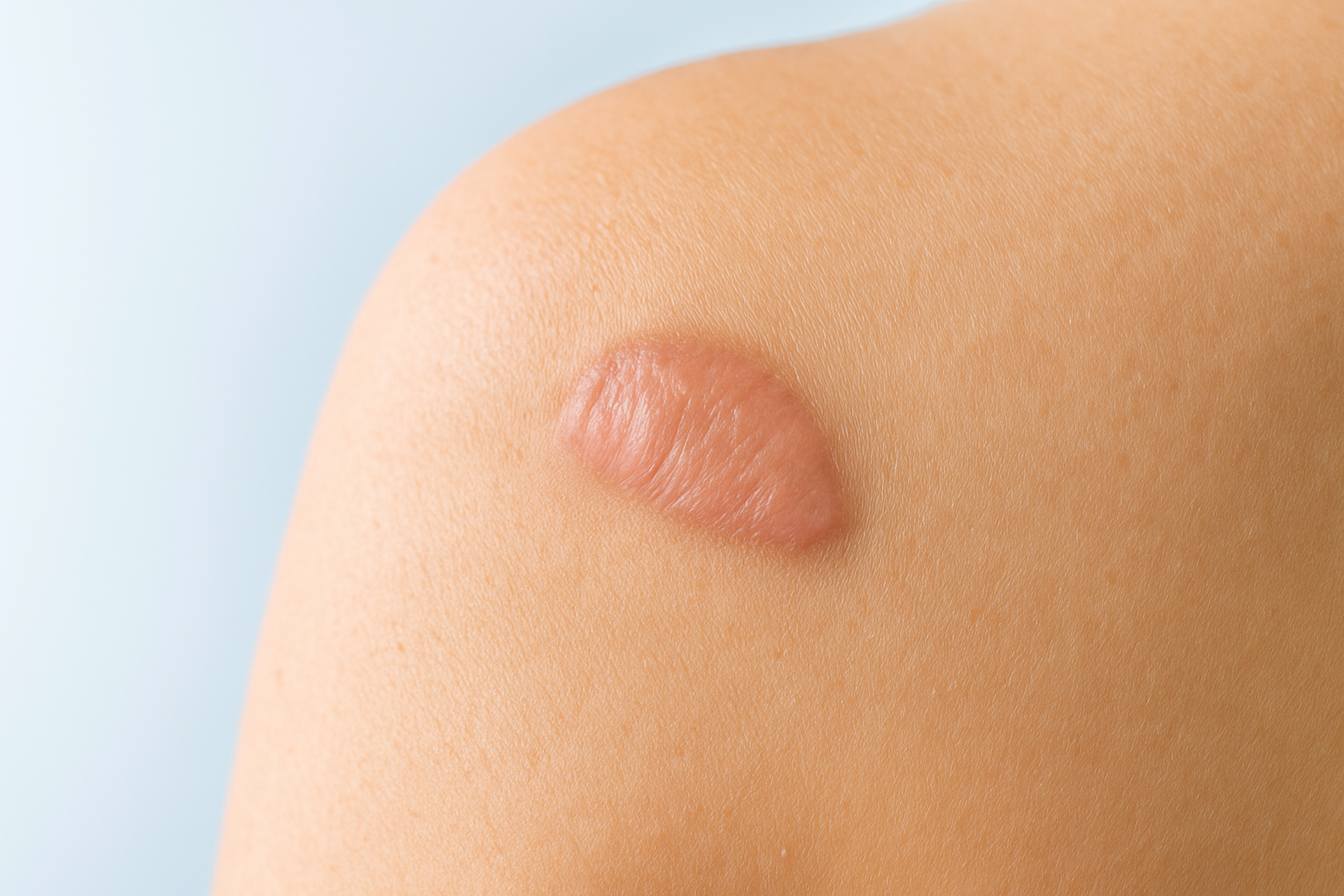
Boylecheloid is a word that many people have never heard before; however, it is important to understand because boylecheloid describes a special kind of skin change that can happen after the skin gets hurt. While the name sounds complicated, boylecheloid itself can be explained in very simple language. This guide will help you learn exactly what boylecheloid means, what it looks like, why it happens, and how people usually care for it. Even though the word is long, boylecheloid can be understood step by step, and you will see that it is not too hard to learn about it.
What Is Boylecheloid?
Boylecheloid is a type of raised skin mark that forms after an injury heals. Because of this, boylecheloid is often thought of as a thick scar. Although scars are common, boylecheloid is different because it keeps growing even after the skin has healed. In addition, boylecheloid can rise higher and become larger than the original injury. While this may sound scary, boylecheloid is not dangerous. Yet, it can be uncomfortable or make someone feel shy about their skin.
Even though the name is unusual, boylecheloid simply means a healing problem where the body creates too much scar tissue. Since the body tries to fix the skin strongly, it sometimes works too hard and builds extra layers. Because of that, boylecheloid becomes thicker and firmer.
How Boylecheloid Forms
Boylecheloid forms slowly, and it usually begins after the skin is damaged. Even though the injury may be small, boylecheloid can still show up. For example, it can appear after a tiny cut, a scratch, a burn, or a bug bite. While many people heal normally, boylecheloid happens when the healing process becomes overly active.
A simple way to understand this is to imagine that the body is building a wall. Instead of stopping when the wall is the right size, the body keeps stacking bricks. Because of this, boylecheloid becomes larger than it needs to be. Although this process looks odd, it is simply the body trying too hard to keep the skin strong.
Furthermore, boylecheloid can form weeks or even months after the skin has healed. Since the tissue continues to grow slowly, the boylecheloid becomes more noticeable over time.
What Boylecheloid Looks Like
Boylecheloid has a very special look, which makes it easy to recognize. These marks are usually:
- Raised above the skin
- Firm or rubbery when touched
- Smooth on the surface
- Shiny in some cases
- Brown, pink, or darker than the normal skin tone
Although boylecheloid can form anywhere, it appears more often on the chest, shoulders, back, ears, and arms. Because boylecheloid grows beyond the area of the original injury, it may look bigger than expected. Even though it can be large, boylecheloid does not spread like a sickness. Instead, it stays in the area where it formed.
Causes of Boylecheloid
Understanding the causes of boylecheloid helps us see why it forms. Even though scientists study this, the exact cause is not fully known. Still, there are several reasons boylecheloid appears:
Overactive Healing
The main cause of boylecheloid is overactive healing. Because the body is trying to protect itself, it creates more tissue than needed. As a result, boylecheloid forms as thick scar tissue.
Genetics
Some people get boylecheloid more easily because of their genes. Although not everyone in the family may have boylecheloid, having a parent or sibling with boylecheloid makes it more likely.
Skin Type
Certain skin types react more strongly to injury. Because of this, boylecheloid becomes more common in people who naturally develop thicker scars.
Type of Injury
Although any injury can cause boylecheloid, deeper cuts or burns may increase the chances. Yet, even a small scratch can lead to boylecheloid if the skin heals in an overly active way.
Symptoms of Boylecheloid
Boylecheloid usually brings symptoms that are easy to see or feel. Some common signs include:
- A raised bump or thick scar
- Larger scar area than the original injury
- Mild itching
- Slight pain or tenderness, especially when growing
- Feeling tightness around the area
Even though boylecheloid may feel uncomfortable at times, it rarely becomes harmful.
Why Boylecheloid Can Make People Worried
People often worry about boylecheloid because of the way it looks. Since boylecheloid is visible and raised, some people feel shy or embarrassed. Also, because boylecheloid grows, people may fear that it is dangerous. However, boylecheloid is not harmful or life-threatening.
Even though it is harmless, boylecheloid can affect someone’s confidence. Therefore, learning about boylecheloid helps people understand it better and feel more comfortable.
How Boylecheloid Is Usually Cared For
Although boylecheloid cannot always be fully removed, there are many ways people care for it. While care methods differ from person to person, they usually aim to reduce the size, color, or discomfort of boylecheloid.
Pressure or Silicone Sheets
Some people use special sheets to gently press on the skin. Because of the steady pressure, boylecheloid may become softer or flatter.
Gentle Creams
Smooth lotions or gels may help with itching. Although they may not make boylecheloid disappear, they can make the skin feel better.
Light Treatments
Some experts use soft light treatments to calm the skin. Because these treatments are gentle, they slowly reduce redness or thickness.
Injections
In some cases, special injections are used to shrink the boylecheloid. Although this may sound scary, the goal is to make the scar smaller over time.
Avoiding Fresh Injury
Because new injuries can cause boylecheloid, people often try to protect their skin. Keeping the skin clean and safe helps prevent more boylecheloid in the future.
Can Boylecheloid Come Back?
Sometimes boylecheloid can return after treatment. Although this does not happen every time, it is possible because the skin still wants to build extra tissue. This is why boylecheloid is known for being stubborn. However, with gentle care and patience people manage their boylecheloid well.
Living With Boylecheloid
Even though boylecheloid can be noticeable, many people live happy and confident lives with it. Knowing what boylecheloid is helps reduce fear or confusion. Because boylecheloid is not dangerous, people can continue to play, learn, work, and enjoy life normally.
Although it may sometimes feel uncomfortable, boylecheloid does not stop anyone from doing everyday activities. As long as the skin is protected and treated with care, boylecheloid becomes easier to manage.
Preventing Boylecheloid
While boylecheloid cannot always be prevented, simple steps may lower the chances:
- Keep wounds clean
- Avoid picking scabs
- Protect healing skin
- Use gentle pressure or silicone sheets when advised
- Stay away from strong sunlight on fresh scars
Although these steps are simple, they can help the skin heal more calmly, which may reduce the chance of boylecheloid forming.
Final Thoughts on Boylecheloid
Boylecheloid may look unusual, but it is simply a type of scar that grows more than expected. Even though it forms because the body heals too strongly, boylecheloid is not harmful. With the right information, boylecheloid becomes easier to understand and much less scary.
Conclusion
In conclusion, boylecheloid is a thick, raised scar that forms when the body heals too much. Although it can look big or feel uncomfortable, boylecheloid is not dangerous. Because of this, learning about boylecheloid helps people feel calm and confident. Since boylecheloid develops slowly and can return, gentle care and patience are important. Even though boylecheloid may not disappear completely, people can still live happily with it. Understanding boylecheloid makes it easier to accept and care for, and that is the most important part.
You Might Also Read: Sirbserbica Everything You Need to Know About Sirbserbica in Simple Words
